C103 - The Semiotics of Advertising
Week 12, Asynchronous Bundle 10
Written assignment due Friday 11/14 at 11:59 pm
Introduction
- Goal: Explore rhetorical tropes in advertising, focusing on metaphor and metonymy
- Textbook connection: metaphor 199-204, metonymy 204-206.
Asynchronous material
Q1:
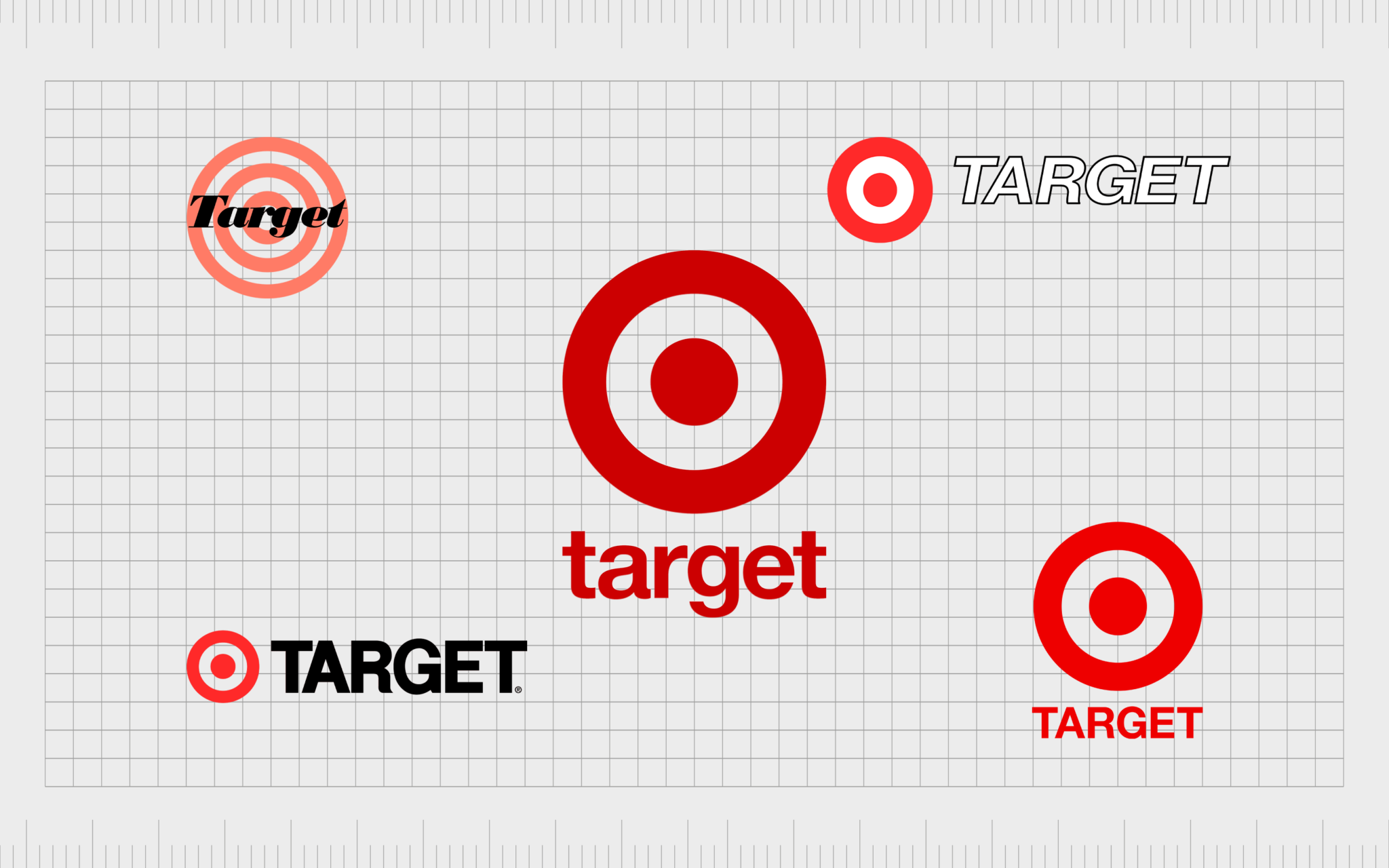
- The Target chain of stores has a well-known and highly recognizable logo. Here are a few ways it has been presented over the years.
- This is not really a metaphor. It is just a somewhat simplified but still iconic representation of the kind of target used for archery, shooting, darts, etc.
- Here is a cute little video ad for Target in Australia, which goes beyond the literal meaning of the logo.
- In this ad, the same basic image is used to signify two additional things.
- Q1. What two things does the Target logo signify in this ad (besides a target, of course)? For each interpretant, state whether it is a metaphor, a metonymy, or neither one. Explain your answers for both meanings.
Q2-3:
- Here is one of the greatest video ads I've ever encountered, from Nike (you already know that I love Nike ads):
- Other ads also mix both metaphor and metonymy. Here's another one, hey, from Nike.
- For this ad you need to know who the tennis player Serena Williams was (she retired several years ago). If you don't know much about her, try putting her name into the search field at youtube.com and you'll find some killer videos. For example, here's one called "Serena Williams Top 50 Amazing Points" -- just watching the first few minutes will give you an idea what she was like as a tennis player.
- Nike "Little Serenas" ad
- Q2-3. These two Nike ads each present both a metaphor and a metonymy. For each ad, identify the metaphor and the metonymy and explain how they work in the ad. Be as precise as possible in differentiating them, referring to something specific either from Monday's lecture or from the reading in the textbook.
Q4-5:
- The following link takes you to a short excerpt from David Lodge's 1989 novel Nice Work. In this book, Robyn is a feminist semiotician who is sent to spend time with Vic, an industrialist in a northern British city. It's a "town-gown" program, aimed at helping university people and non-academics get to know each other better in the community. They are driving somewhere together, they see a billboard advertising Silk Cut cigarettes, and Robyn starts talking about the ad. Read the excerpt and then come back to this page.
- David Lodge excerpt
- Robyn distinguishes between metaphor and metonymy in her impromptu analysis, and I hope her reasoning makes sense to you based on what I said on Monday.
- The issue I want you to consider now is whether or not her interpretation of the Silk Cut billboard really points to some kind of metaphorical violence against women.
- In past years, at this point students in the traditional in-person lecture version of this course have mostly not been willing to accept that as a reasonable interpretation of the ad, reacting more like Vic than like Robyn. I know this because I used to ask for a show of hands on who accepted Robyn's position.
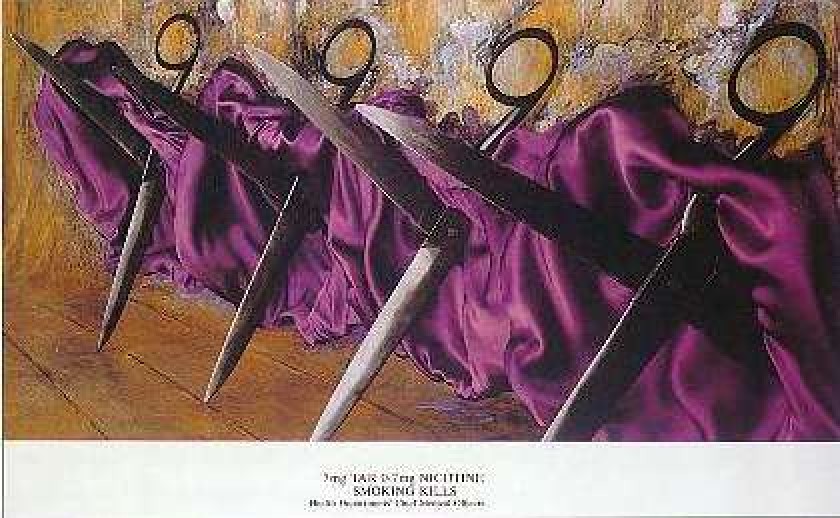
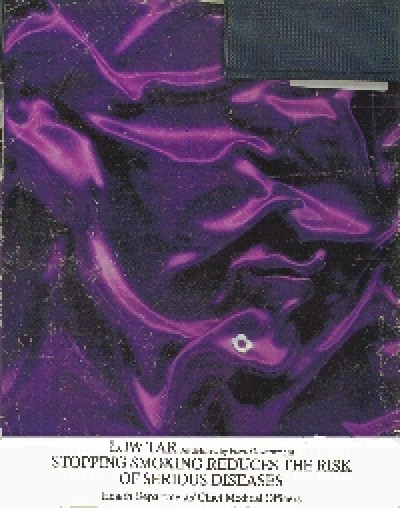
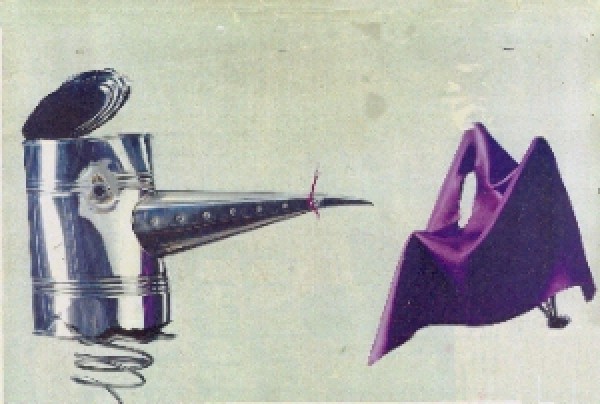
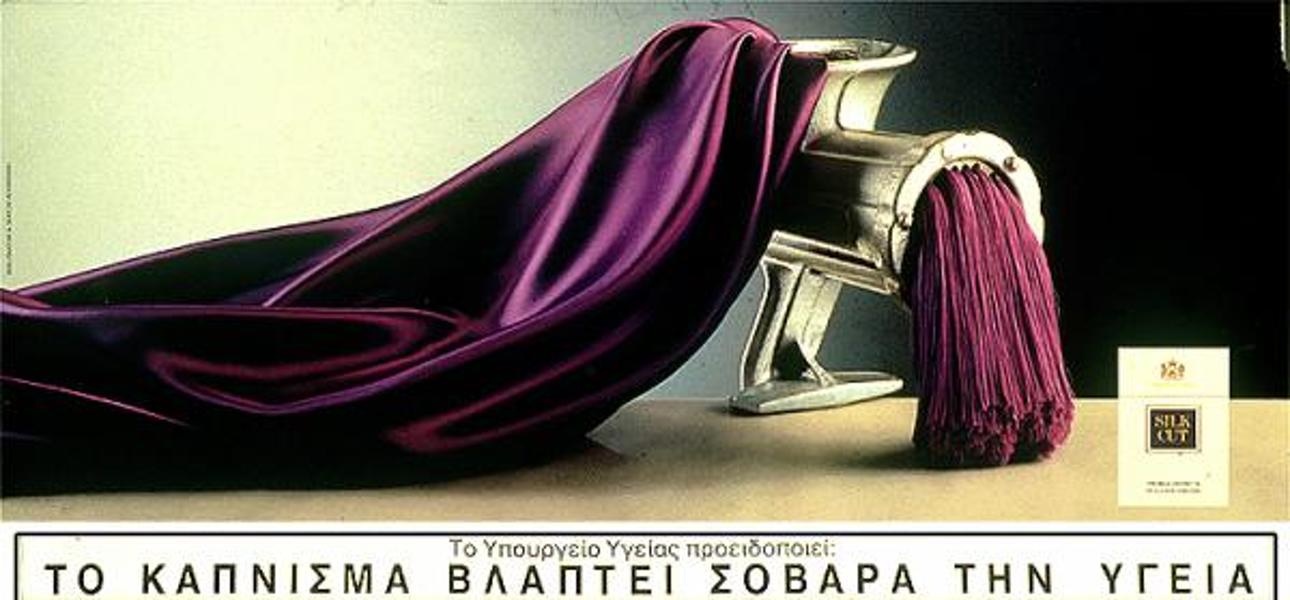
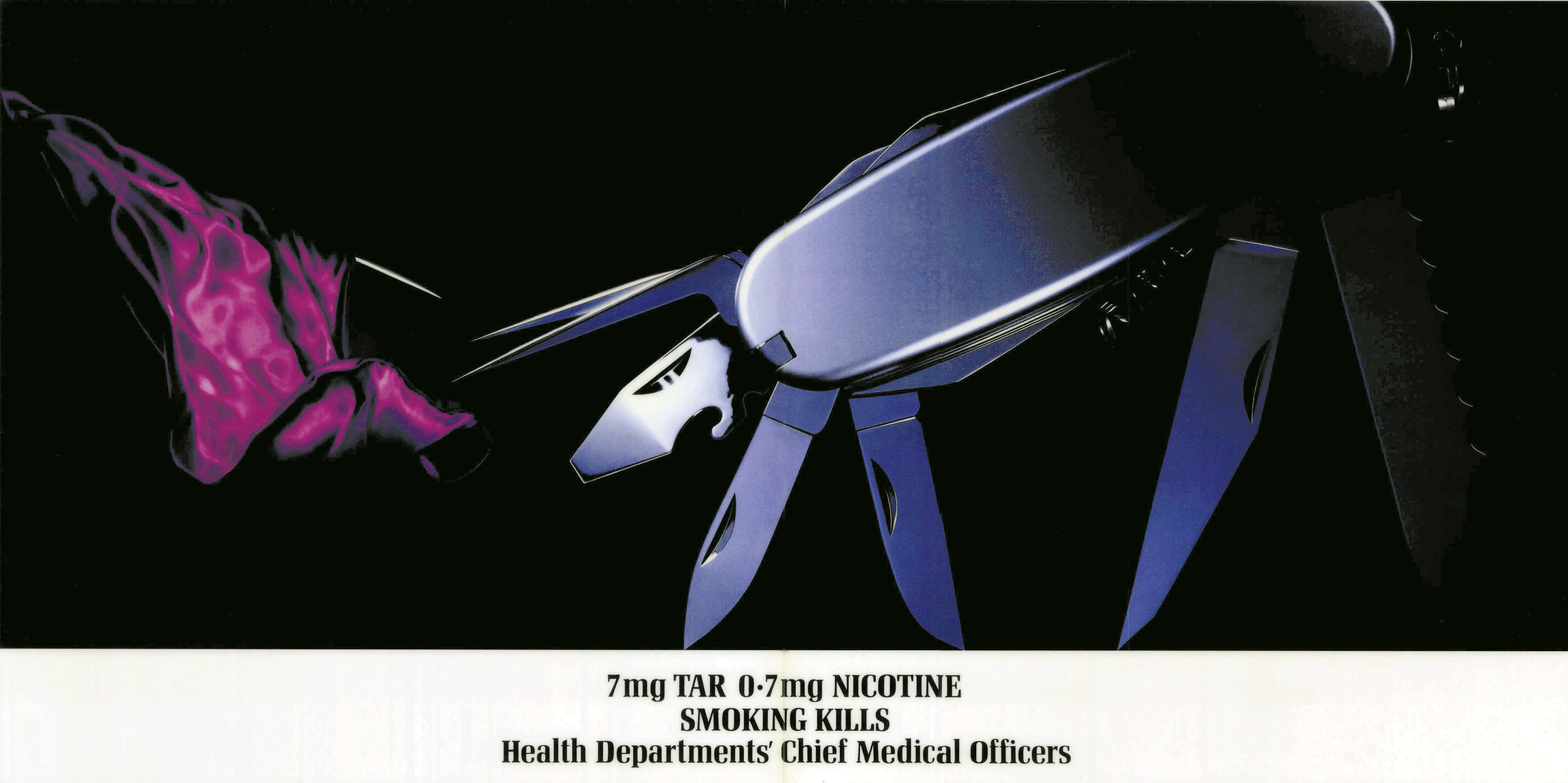
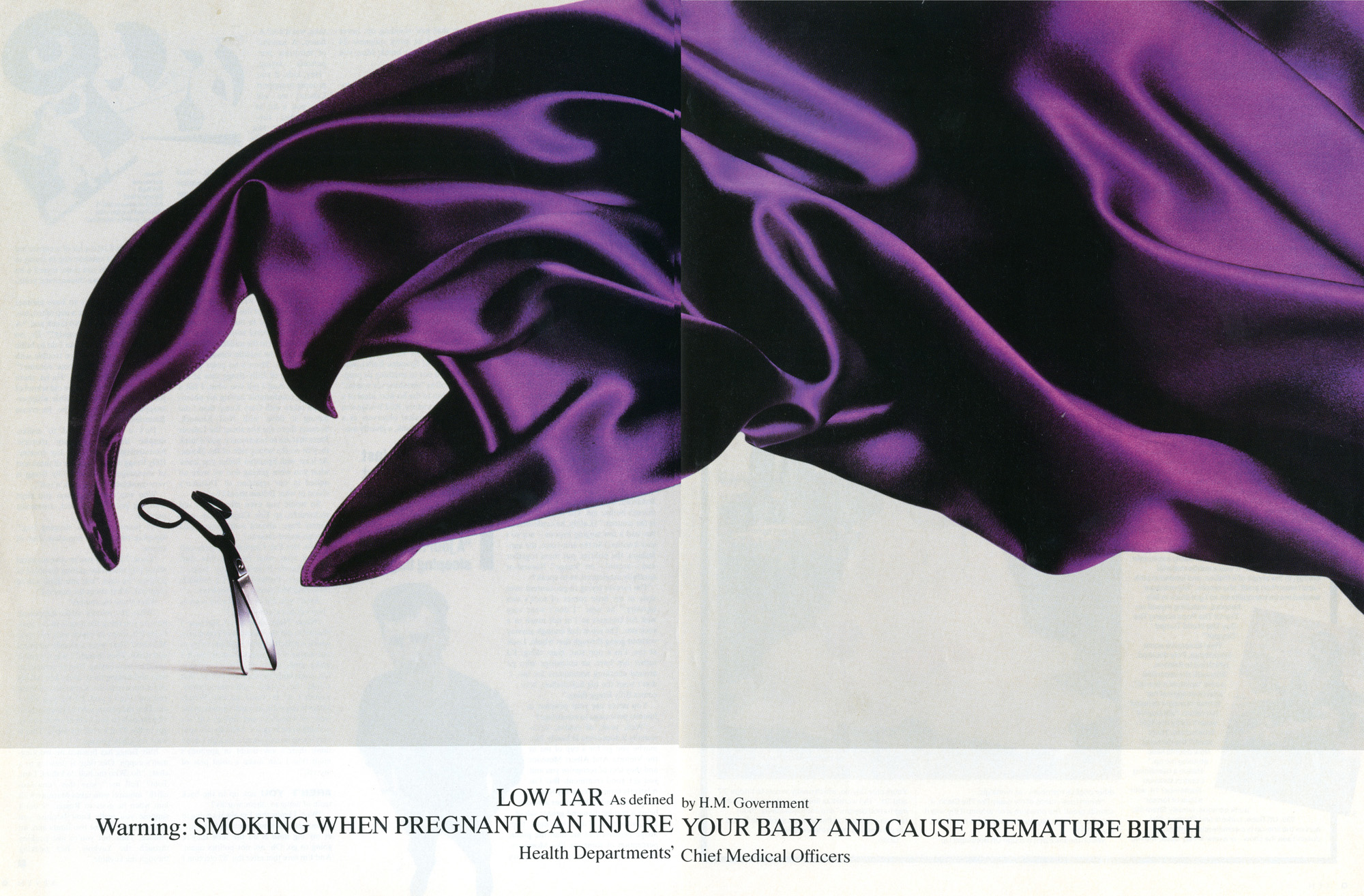
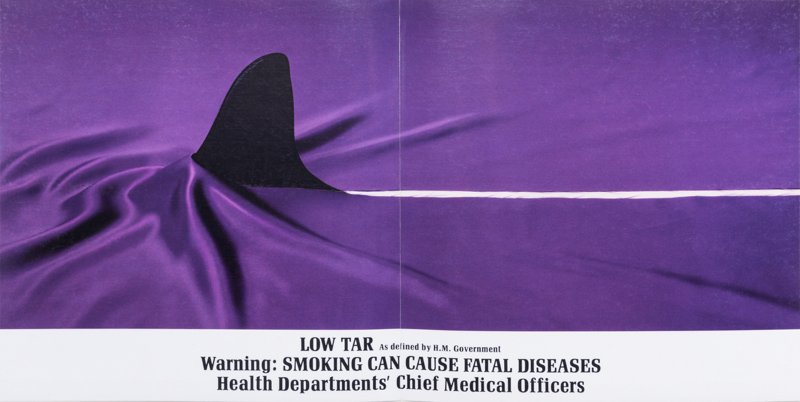
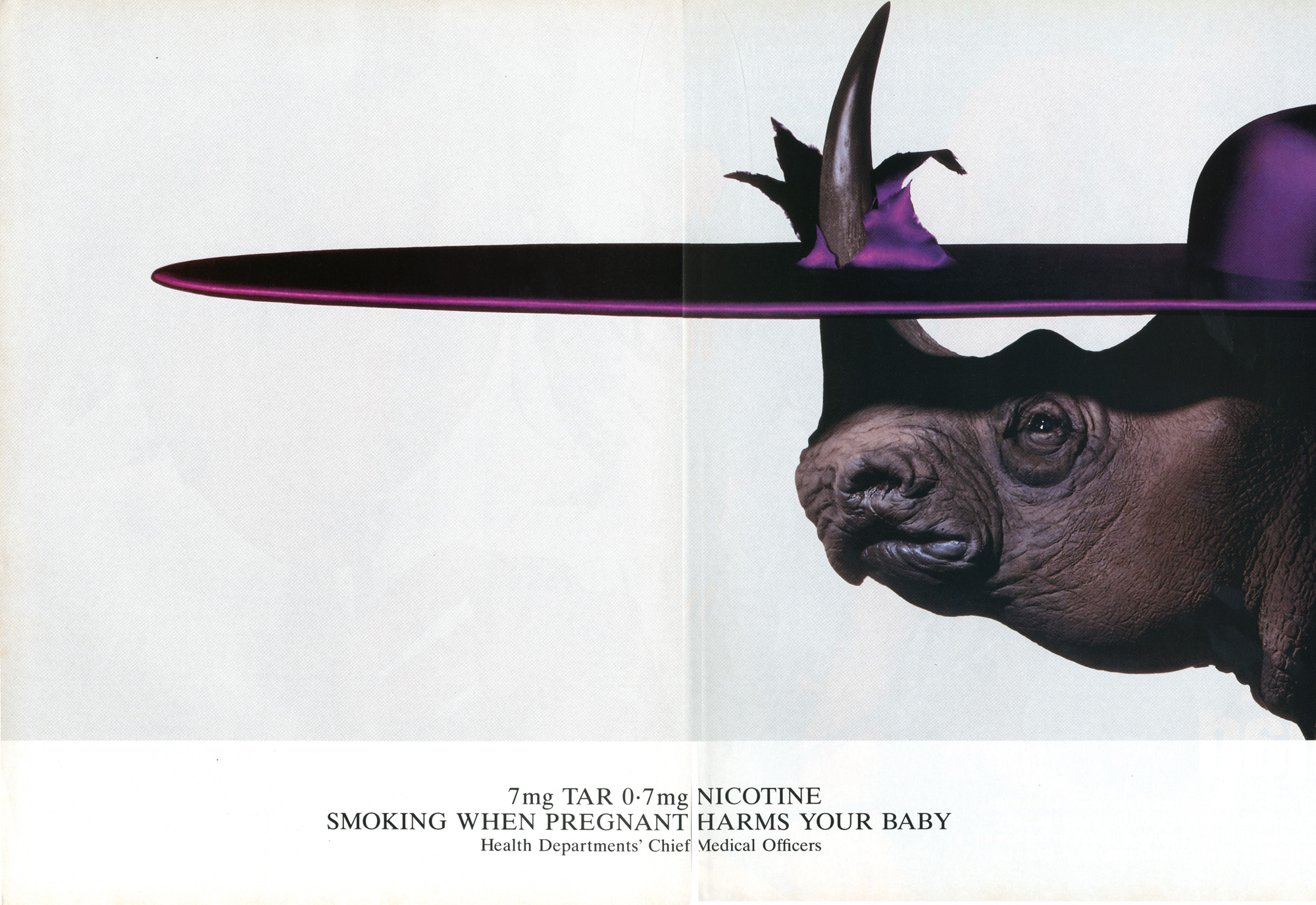
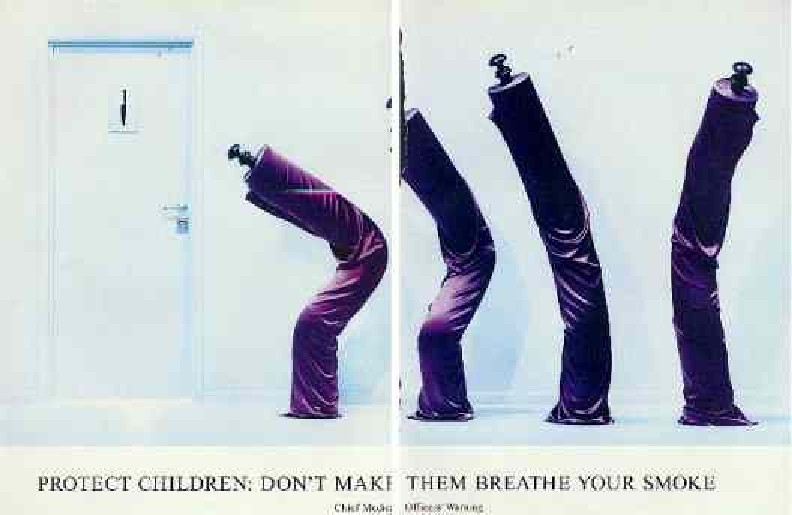
- So now please consider a sampling of additional (real!) Silk Cut ads, collected from various places:
- Q4. Now, considering these twelve ads, what is your opinion now about what is going on in these ads? How can this be an effective way to sell this particular brand of cigarettes? (It must have been effective, because this campaign of bizarre, sometimes surreal ads lasted for about a decade and a half! And there are hundreds and hundreds more ads like these.) Hint: The health warning about the dangers of cigarettes is NOT a part of the ad, but a government-mandated addition. The text in these British ads is different than the analogous text we use on cigarette packages in the U.S., but the idea is basically the same.
- Q5. Within this sampling of Silk Cut ads, there are some that do not appear to reference violence against women, unlike Robyn's interpretation of the billboard. Pick out several that might reference violence against men, and point out specific details that might give you that impression. Now revisit the excerpt and reread the passage where Robyn talks about representing the silk as rolls of cloth. With this in mind, what do you think is happening in the last of these sample ads, Silk Cut ad L? Don't be afraid to let your imagination run wild!
- Coming up in Bundle 11: we consider synecdoche and irony as additions to our tool chest of rhetorical devices.